
In the intricate world of electronic components, high-power magnetic ring inductor coils assume a pivotal role. Their widespread utility across diverse electronic products is undeniable, and their performance is intimately tied to the stability and efficiency of the circuitry they inhabit. Consequently, the swift and precise adjudication of an inductor's quality is not merely beneficial but essential. While comprehensive testing is the standard method for evaluating inductor quality, situations often arise where exhaustive performance testing is impracticable. At such junctures, the ability to make an informed preliminary judgment based on the inductor's appearance becomes paramount.
Initially, the assessment commences with a meticulous examination of the inductor's appearance integrity. An unblemished exterior is a fundamental indicator of a high-caliber inductor. This involves a thorough inspection of the inductor's structure, focusing on the magnetic ring, the insulation layer, and the coil's tightness, among other aspects. Observable defects such as cracks, breaks, or absent components can be harbingers of underlying quality deficiencies.
Subsequently, the focus shifts to the core integrity, a facet critical to the inductor's performance. Damage or fracture within the magnetic core can drastically undermine the inductor's functionality. Such impairments might stem from external traumas or inherent manufacturing flaws. Upon detection of core damage, it is imperative to promptly replace the faulty inductor and delve into a meticulous analysis to forestall recurrent issues.
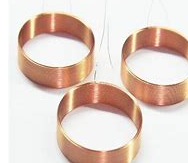
Lastly, the examination extends to the integrity of the inductor coil. Disruptions or severances in the coil directly impede current flow, thereby jeopardizing the circuit's stability. A detailed visual scrutiny of the inductor coil is thus indispensable to affirm the inductor's quality. Concurrently, the inductor's package size must align with specific criteria, ascertainable through precise measuring instruments like vernier calipers.
While these visual inspections are not a substitute for comprehensive performance testing, they provide a viable and effective method for preliminary screening. In practice, the quality of high-power magnetic ring inductor coils is best discerned by juxtaposing appearance inspections with performance tests, considering the specific context and conditions of use to arrive at a more holistic evaluation.