
In the expansive universe of electronic circuitry, the paramount role of resistors, and more specifically variable resistors, shines brightly. Celebrated for their adjustability, these components inject an unmatched level of versatility and complexity into circuit designs.
Foundational Insights and Operational Principles of Variable Resistors
At the core of any electronic device lies the humble resistor. Fashioned from materials designed to impede electrical current, these components are indispensable. They split into two camps: the steadfast fixed resistors and their more adaptable siblings, the variable resistors or potentiometers. The latter brings a dynamic of enhanced flexibility and adaptability to the table.
A resistor ideally behaves in a linear fashion, its resistance a steady dance with the voltage across it and the current through it. However, enter thermistors or varistors, and this dance becomes a complex ballet of nonlinearity. Resistors, in their myriad forms, present a kaleidoscope of options to designers, each tailored to fit the circuit’s specific needs.
Structural Overview and Adjustment Mechanism of Variable Resistors
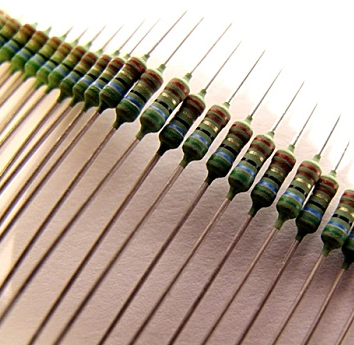
Diving deeper, the architecture of a variable resistor reveals the elegance of its operation and adjustment. Picture a standard variable resistor: a movable arm, a carbon film, and three pins - two fixed, one agile. Twisting the movable arm adjusts the resistor’s value, a simple yet profound alteration of the resistive element’s contact point. This ingenious setup allows for precise, hands-on control over the circuit’s resistance, accommodating a variety of circuit scenarios.
Variable resistors wear two hats: they modulate current flow and serve as voltage dividers. This dual role makes them indispensable in circuit matching, signal modulation, and feedback control, among other uses.
Variable Resistors in Circuit Design: A Multifaceted Approach
When combined with other components, variable resistors unlock the creation of RC circuits, masters of oscillation, filtering, bypassing, and more. This versatility and creativity in design are critical in pushing the boundaries of electronic devices and systems. Through the strategic use of variable resistors, the possibilities for enhancing circuit functionality and versatility are boundless.