
In the intricate world of electronics, filters and filter capacitors stand as pivotal, yet distinct, components in circuit design. Their common ground? Both serve filtering functions, yet their characters diverge in practical applications. A filter, engineered to sieve out specific frequency components, hinges on an ensemble of resistors, capacitors, and inductors. The art lies in calibrating these components' values, allowing the filter to either dampen or permit signals at chosen frequencies. Consider the diversity of filters – low-pass, high-pass, band-pass, band-stop – each an entity with its own traits and realms of use, spanning audio processing, power management, and communication systems.
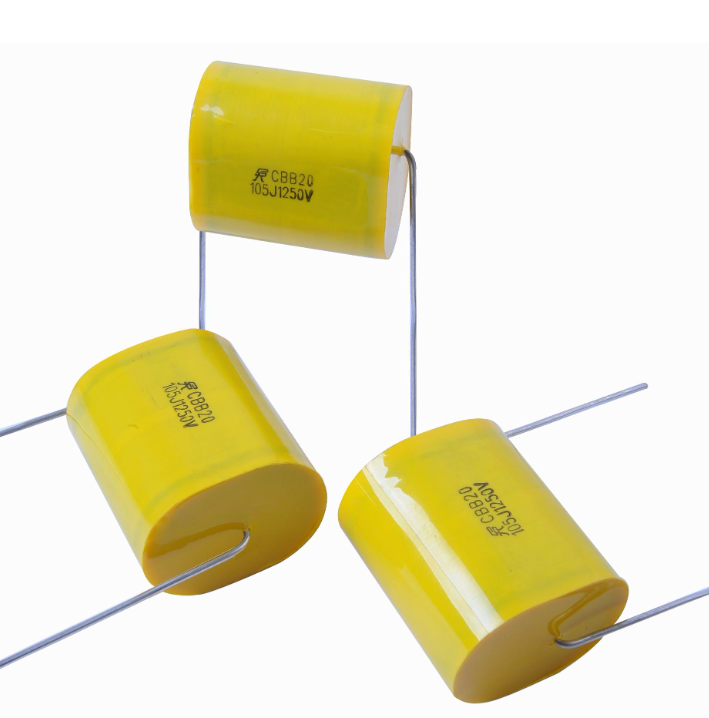
Then, the narrative shifts to filter capacitors, champions of high-frequency signal filtration. They operate by grounding these signals, a tactic essential in power supply filtering, signal demodulation, and denoising. Their prowess shines against high-frequency interference, yet they falter in the realm of low-frequency signals. Thus, circuit design becomes an exercise in specificity, selecting either a filter or a filter capacitor based on nuanced needs. The dichotomy of choice hinges on the application: for multi-band signal filtration, filters rise as the nuanced artisans. Conversely, for sheer high-frequency signal refinement, filter capacitors excel in simplicity and cost-effectiveness.
Beyond functional disparities, filters and filter capacitors diverge in parameters and performance prerequisites. Filters demand consideration of stopband width, passband range, and attenuation coefficients, among others. Filter capacitors, in contrast, pivot primarily on capacitance. Performance-wise, filters entail a complex dance of component synergy and frequency response, whereas filter capacitors bask in relative simplicity. In the realm of practical application, whether it's a filter or a filter capacitor, their roles are irreplaceable, intertwined with design imperatives, cost considerations, and performance needs. The quest for the optimal solution is a holistic one, blending these factors to unveil the most fitting electronic symphony.